The Real Future of Financial Advice
Door-to-door insurance selling was a common practice in the 1960s, especially for life and health policies, with agents (often called “book agents”) visiting homes to explain benefits, sign up families for policies, and collect premiums. This reflected the era’s focus on personal, face-to-face sales, relying on trust and community presence for business growth.
This practice died out with digitalisation, and large financial institutions, like banks, could communicate with their clients digitally or when they turned up at bank branches. There was no longer any need to go from house to house. Banks gave their staff a “sales target” (to sell in-house products), and the money rolled in.
After the Hayne commission’s investigation into Misconduct in the Banking, Superannuation, and Financial Services Industry, billions of dollars rolled out again in remediation to customers, and most banks decided to exit the “Wealth” industry, going back to providing loans and finance.
The number of advisers shrank from around 28,000 in 2019 to its current state of just over 15,000. How many professions have ever suffered such a decline? Could we afford to lose half our doctors, lawyers, and pilots?
The advisers that are left are burdened by heavy compliance requirements, ancient software, and an expensive, slow process. It can take months before a Statement of Advice is ready, and the cost is typically a one-off, flat-dollar amount ranging from approximately $3,000 to $10,000 or more. This is separate from other potential costs like implementation, ongoing service, and investment charges.
Financial advice is not accessible or (for most people) affordable.
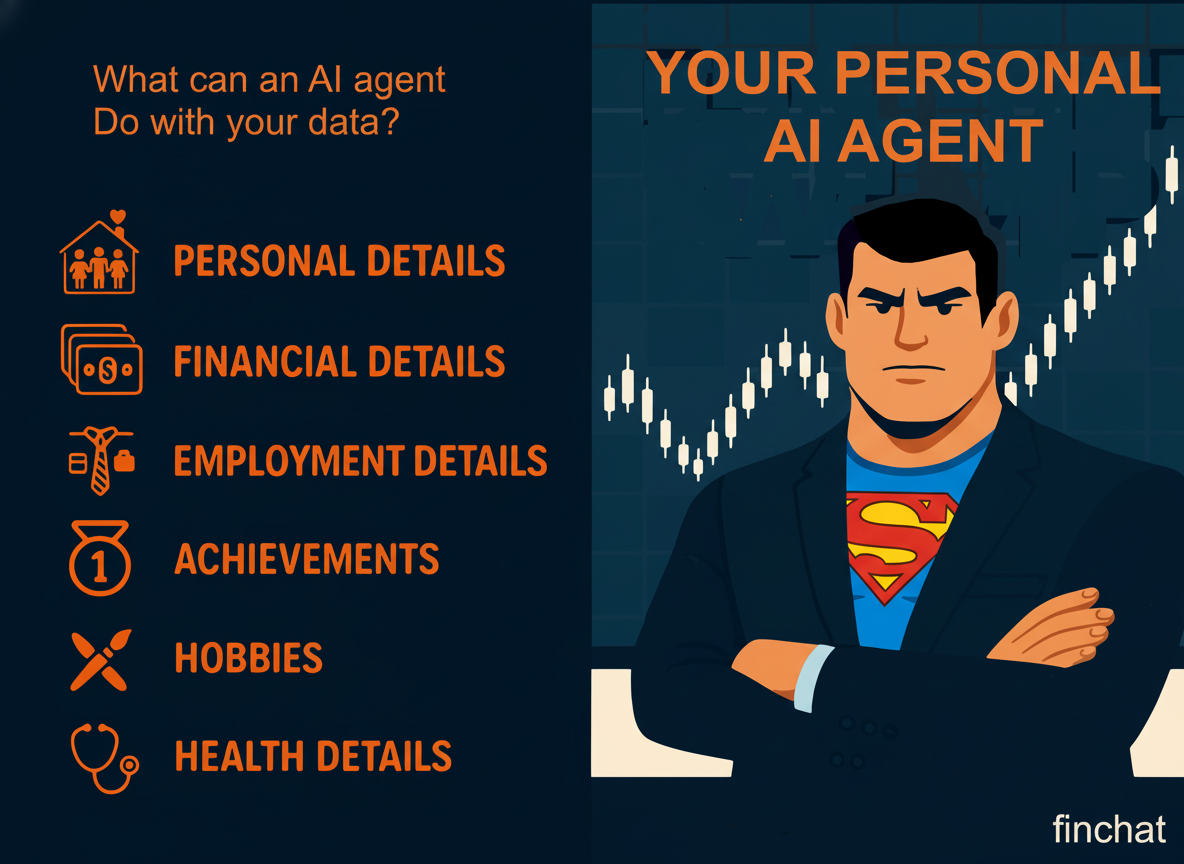
We are entering the “agentic era”. AI agents that work tirelessly at very little cost. For example, an adviser could knock on your door today, plug a $50 Amazon Fire TV Stick into your TV and collect all your data, examine products, test scenarios, and produce a compliant Statement of Advice. Using the new “Model Context Protocols”, AI agents will find the best products, analyse them if asked to, and in some cases collect premiums just like the old “book agents”. Finchat (www.finchat.com.au) are pioneers in this regard.
This has the potential to make financial planning affordable and accessible while “turbo-charging” a depleted and demoralised advice industry.