
Jake of the Nullarbor
Jake used to be a top solicitor in Sydney, with a corner office, and panoramic view of Sydney harbour. His specialty was contract law.
He paid little attention to the small team looking into artificial intelligence until they asked him to hand over all the files on all his clients. They explained this was so they could train the new friendly robot to help around the place. A little concerned, he nevertheless handed over everything and that was the last he heard until the partners called him in to let him know he was redundant along with most of the company’s solicitors. Those who were staying on would be checking the work done by the robot until they had full confidence in it.
It seems the robot was able to read and understand a client’s brief, apply the law, and produce a contract in seconds. A massive boost in productivity for the firm at very little cost. A major tech company provided the service (to any law firm), relieving them of any burden to update and maintain content as the law evolved. The service used quantum computers to crunch vast amounts of data almost instantly and transmission speeds were so fast there was no discernible internet lag even to customers on the other side of the world.
The outplacement firm provided by his company, informed him there was little chance he would find another solicitor’s role and he should look at the “early retirement’ villages springing up everywhere. They provided him with a lot of brochures and explained that he now qualified for the “universal pension”, as did anyone who lost their job to AI.
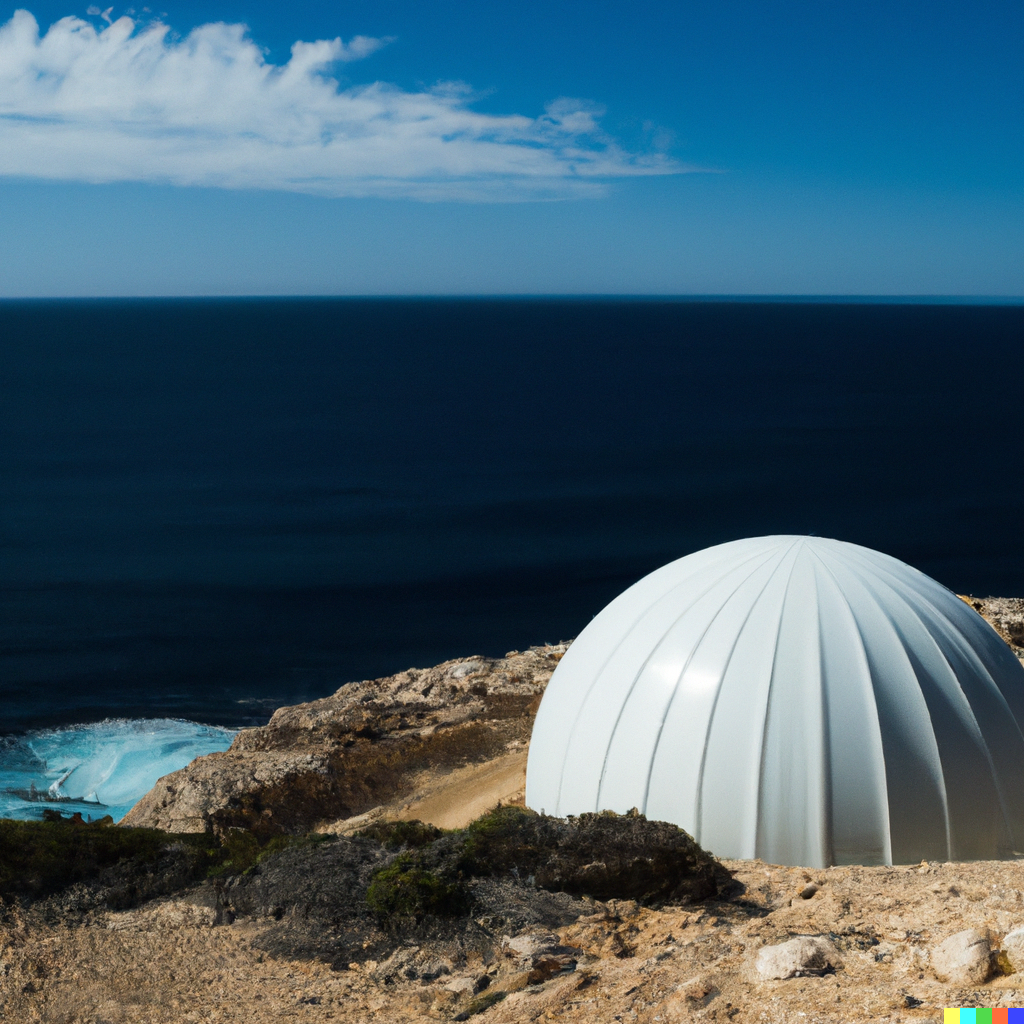
One of the “early retirement” villages intrigued them. It was in the Nullarbor.
Scientists had finally cracked fusion energy, the holy grail of limitless, clean energy. A small fusion reactor on the Nullarbor coast sucked up 300 million litres of water a day, desalinated it, and pumped it to the village which had a 20-hectare community garden, and fish farm.
Potential residents had to pass a basic health and fitness test. The screening was performed online using a special bracelet which everyone owned. The bracelet would measure a host of biometrics and correctly identified he was drinking too much, was unfit, overweight and pre-diabetic. He would have to book in to one of the “Hospitals for Preventative Illness”, HPIs. Their aim was to ensure patients were treated for existing conditions but also made the best life-style choices in the future. Failure to stick to their regime reduced the pension.
The Nullarbor village had a driverless electric ambulance and a nurse who would accompany a patient to the nearest hospital. The ambulance always arrived with a full electric charge because major roads (and many minor roads) had inductive charging buried within the bitumen that charged a vehicle as it passed over. Over 500,000 driving jobs had disappeared over the last five years alone.
Jake logged on to the health screening site. Time for early retirement and a new life style.